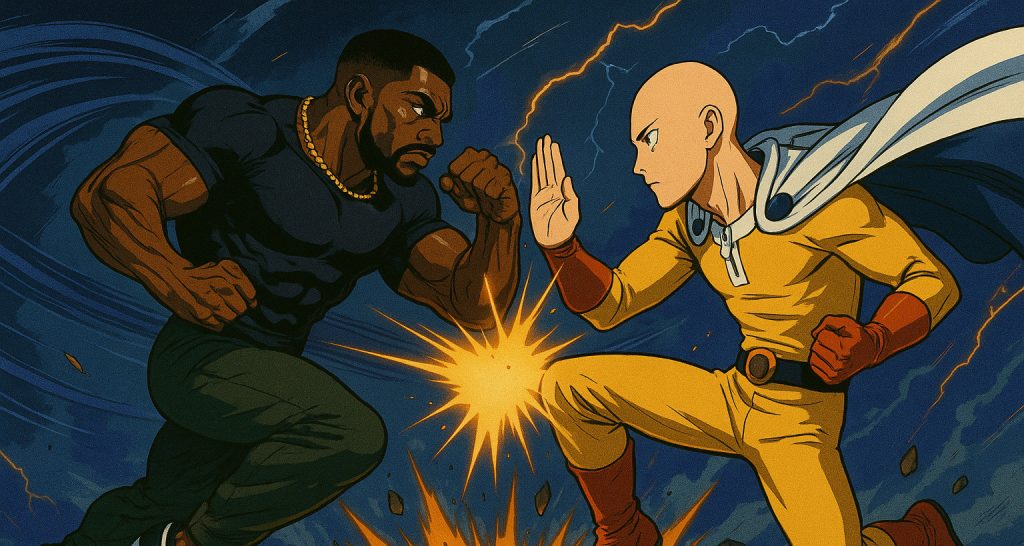
MY Top 50 Anime plus bonuses to watch
XPL ANIME REVIEW SYSTEM: COMPLETE FRAMEWORK (63 ENTRIES)

Ready to transform in Houston? Book your identity engineering consultation. In-person sessions available. Online coaching open nationwide.
Xavier Savage in front of Various Anime Characters
Before you read another word, answer these questions honestly:
How much of your entertainment consumption is strategic study versus mindless escape?
What patterns are you reinforcing through your viewing habits?
If your anime list reflected your development priorities, what would it look like?
Five years from now, when you look back at this moment, will you be grateful for what you studied—or regretful for what you wasted time on?
What up world, Xavier Savage here from xperformancelab.com.
Most people watch anime to escape reality. I watch it to study strategic frameworks disguised as entertainment.
This isn’t a recommendation list. This is a strategic database—63 entries analyzed through the lens of performance psychology, tactical thinking, and systematic development. Every entry has been evaluated for what it can teach you about mastery, resilience, and strategic execution.
Your body is your first kingdom. Your mind is your first weapon. What you consume either sharpens both or dulls them.
Choose wisely.
THE XPL ENERGY TIER FRAMEWORK
| Level | Focus | Icon | Client State |
|---|---|---|---|
| Level I: Awareness | Exposure | 🪞 | “I didn’t know what I didn’t know” |
| Level II: Activation | Questioning | ⚡ | “Maybe what I’ve been doing isn’t working” |
| Level III: Execution | Deployment | 🛠️ | “I execute regardless of how I feel” |
| Level IV: Elite Mode | Mastery | 🔥 | “How can I extract 10% more from this system?” |
| Level V: Peak Mastery | Integration | 🧠 | “Discipline is my default setting” |
This content is for Level III and Level IV readers. If you’re still consuming entertainment without extracting strategic value, keep scrolling. This isn’t for you.
XPL PERSPECTIVE FRAMEWORK
| Intensity | Icon | Purpose | When To Use |
|---|---|---|---|
| 🔍 | Surface Scan | Quick observations | Intro/transitions |
| ⚡ | Deep Cut | Tactical analysis | Main sections |
| 🔥 | Full Assault | Controversial takes | Hot takes/criticism |
| 💀 | Nuclear Option | Destroying sacred cows | Obliterating popular opinions |
MY TOP 4 ANIME [Level V: Peak Mastery] 🧠
1. Yu Yu Hakusho — Level V: Peak Mastery (🧠🧠🧠🧠🧠/5)
Story/Plot Development: Level V – Peak Mastery
Spiritual evolution through combat that teaches real transformation principles. The Dark Tournament arc specifically demonstrates competitive psychology and how different fighting styles reflect different philosophies about power and purpose.
Character Development: Level V – Peak Mastery
Yusuke’s evolution from delinquent to Spirit Detective demonstrates systematic character development. Each challenge forces growth beyond comfort zones through accepting responsibility for increasingly difficult outcomes.
Animation/Fight Quality: Level IV – Elite Mode
Strategic combat that serves story advancement. Every fight teaches tactical thinking, emotional resilience under pressure, and how spiritual energy development parallels real-world capability building.
Overall Impact/Rewatchability: Level V – Peak Mastery
The definitive training manual for understanding how internal development manifests as external capability. Shows that sustainable strength comes from character development rather than technique accumulation.
Training Application: Study how spiritual energy mirrors systematic skill development. Notice how each character’s power reflects their psychological state and moral clarity.
Savage Command: “Your internal state determines your external capability. Develop both.”
Read Full Yu Yu Hakusho Analysis
2. Cowboy Bebop — Level V: Peak Mastery (🧠🧠🧠🧠🧠/5)
Story/Plot Development: Level V – Peak Mastery
Philosophical depth wrapped in stylish action. Each episode contributes to character development that feels earned rather than forced, demonstrating how past trauma influences present performance.
Character Development: Level V – Peak Mastery
Shows how unresolved emotional baggage affects current performance and relationships. Teaches emotional conditioning through character study and adaptive problem-solving methodologies.
Animation/Fight Quality: Level IV – Elite Mode
Style serves substance. Every action sequence advances character development or thematic exploration without gratuitous violence.
Overall Impact/Rewatchability: Level V – Peak Mastery
The gold standard for how entertainment can teach emotional resilience, philosophical inquiry, and strategic adaptation to uncertain circumstances.
Training Application: Study how each character handles past trauma differently. Apply their coping strategies to your own emotional conditioning work.
Savage Command: “Your past doesn’t disqualify you—it credentials you. Process it or be processed by it.”
Read Full Cowboy Bebop Analysis
3. s-CRY-ed — Level V: Peak Mastery (🧠🧠🧠🧠🧠/5)
Story/Plot Development: Level V – Peak Mastery
Pure determination against oppressive systems. Teaches resource competition psychology and tactical adaptation when facing systematic disadvantages.
Character Development: Level V – Peak Mastery
Kazuma represents unwavering commitment to personal freedom and refusing limitations imposed by others. Shows how individual will and strategic intelligence overcome apparent disadvantages.
Animation/Fight Quality: Level IV – Elite Mode
ALTER power system creates clear hierarchy while demonstrating how tactical thinking and sufficient intensity defeat raw power advantages.
Overall Impact/Rewatchability: Level V – Peak Mastery
The ultimate resistance manual disguised as anime entertainment. Teaches systematic opposition to institutional power through strategic application of personal capabilities.
Training Application: Study how Kazuma adapts tactics based on opponent analysis. Apply this systematic approach to overcoming your own systematic disadvantages.
Savage Command: “Systems beat intensity over time—unless that intensity is systematically applied.”
Read Full s-CRY-ed Analysis
4. Zetman — Level V: Peak Mastery (🧠🧠🧠🧠🧠/5)
Story/Plot Development: Level V – Peak Mastery
Raw, uncompromising exploration of justice and power without moral safety nets. Forces critical thinking about what justice means when institutional systems fail completely.
Character Development: Level V – Peak Mastery
Jin Kanzaki embodies strategic thinking under impossible circumstances. Shows character development through choices and consequences rather than convenient plot devices.
Animation/Fight Quality: Level IV – Elite Mode
Uncompromising action that serves psychological exploration. Every battle advances character development and moral complexity without gratuitous violence.
Overall Impact/Rewatchability: Level V – Peak Mastery
Teaches integration of shadow aspects and strategic decision-making under extreme pressure. No heroes, only choices and their consequences.
Training Application: Study Jin’s decision-making process under moral ambiguity. Apply this framework to your own ethical dilemmas and strategic choices.
Savage Command: “Integration beats suppression. Face your shadow or be consumed by it.”
Read Full Zetman Analysis
🔥 FULL ASSAULT: OVERRATED ANIME THAT EVERYONE DEFENDS [Level I: Awareness] 🪞
Dragon Ball Z — Level I: Awareness (🪞/5)
The Problem: Power escalation without character development. Screaming for five episodes to achieve transformation doesn’t teach actual growth principles or systematic development methodology.
Why It’s Trash: Validates seeking shortcuts over systematic development. Teaches that volume equals intensity and that external transformation happens without internal work.
XPL Performance Physics: Law 2—Identity Precedes Outcome. DBZ characters transform through emotional outbursts, not identity evolution. In reality, sustainable change requires who you are to shift before what you can do expands.
Training Anti-Application: Notice how DBZ fans expect instant results without systematic effort. Don’t replicate this pattern in your actual development.
Savage Command: “Screaming doesn’t build strength. Systems do.”
Why These 3 Animes Are Overrated | Why I Hate Dragon Ball Z
Death Note — Level I: Awareness (🪞/5)
The Problem: Mental masturbation disguised as strategic thinking. Light’s god complex represents everything wrong with intelligence divorced from wisdom and ethical foundation.
Why It’s Trash: Teaches tactical thinking without moral framework. Creates sociopaths who mistake manipulation for strategic intelligence and complexity for depth.
XPL Performance Physics: Law 6—Identity Contradiction Creates Homeostatic Resistance. Light’s identity as “god” contradicts his humanity. His nervous system should have rejected this—but the narrative glorifies the contradiction instead of showing its cost.
Training Anti-Application: Avoid the trap of overthinking without ethical grounding. Strategic thinking requires moral clarity, not just tactical capability.
Savage Command: “Intelligence without wisdom is just sophisticated self-destruction.”
Why These 3 Animes Are Overrated
Sword Art Online — Level I: Awareness (🪞/5)
The Problem: Virtual reality escapism that validates running from real-world challenges instead of developing capability to handle them systematically.
Why It’s Trash: Promotes fantasy retreat over actual skill development. Teaches that when reality gets difficult, escape into comfortable illusions instead of building real capability.
XPL Performance Physics: Law 1—Energy Debt Compounds Faster Than Discipline. SAO protagonists burn emotional energy on fantasy conflicts while accruing real-world debt. The series never shows the crash that follows.
Training Anti-Application: Notice when you’re seeking escape over capability development. Choose systematic skill building over fantasy comfort.
Savage Command: “Reality doesn’t negotiate. Train for it, not away from it.”
Why These 3 Animes Are Overrated
COMPLETE STRATEGIC ANIME DATABASE (ALL 63 ENTRIES)
1. Zetman — Level V: Peak Mastery (🧠🧠🧠🧠🧠/5)
Description: Jin’s transformation from homeless kid to something beyond human mirrors the evolution every serious trainee undergoes. True power demands sacrifice and the willingness to stand alone when everyone else compromises.
Relevancy: High – Moral complexity and strategic thinking under pressure
Length: Short – 13 episodes, concise and impactful
Training Focus: Integration of shadow aspects, ethical decision-making under pressure
XPL Application: Jin’s journey demonstrates Law 6—Identity Contradiction Creates Homeostatic Resistance. His human identity fights his transformation. The series shows the cost of integration, not just the power gained.
Savage Command: “Face the fire. Rewrite the outcome.”
Zetman Review
2. Yu Yu Hakusho — Level V: Peak Mastery (🧠🧠🧠🧠🧠/5)
Description: The Dark Tournament arc teaches competitive psychology and how different fighting styles reflect different philosophies about power and purpose.
Relevancy: High – Combines combat, strategy, and personal growth
Length: Medium – 112 episodes, well-paced with significant arcs
Training Focus: Spiritual energy development, systematic character growth
XPL Application: Yusuke’s evolution from delinquent to Spirit Detective demonstrates Law 2—Identity Precedes Outcome. His power increases as his identity expands to accept greater responsibility.
Savage Command: “Your body is your first kingdom. Rule it.”
Yu Yu Hakusho Review
3. Wolf’s Rain — Level IV: Elite Mode (🔥🔥🔥🔥/5)
Description: The journey teaches that the destination matters less than who you become while pursuing it. Paradise might be real or imaginary—the wolves grow stronger through pursuit itself.
Relevancy: High – Focus on endurance and collective strength
Length: Short – 26 episodes plus 4 OVAs
Training Focus: Long-term vision pursuit, pack dynamics
XPL Application: The wolves demonstrate Law 3—Systems Beat Intensity Over Time. Their sustained pursuit compounds into capability that episodic effort could never achieve.
Savage Command: “Move like time owes you nothing.”
Wolf’s Rain Review
4. Witch Hunter Robin — Level IV: Elite Mode (🔥🔥🔥🔥/5)
Description: Teaches critical thinking about authority and the importance of developing personal ethical frameworks independent of institutional pressure.
Relevancy: High – Moral complexity and institutional critique
Length: Short – 26 episodes, focused storytelling
Training Focus: Independent ethical reasoning, authority questioning
XPL Application: Robin’s journey mirrors Anti-Law 1—Don’t Respond to Demand, Create Desire Asymmetry. Institutions want compliance; she develops internal standards regardless.
Savage Command: “The mirror doesn’t negotiate. Neither should your ethics.”
Witch Hunter Robin Review
5. Welcome to the NHK — Level IV: Elite Mode (🔥🔥🔥🔥/5)
Description: Shows the daily grind of choosing forward movement over comfortable stagnation. Demonstrates how small consistent actions overcome social anxiety and depression.
Relevancy: High – Mental health and personal growth
Length: Short – 24 episodes, tightly woven narrative
Training Focus: Overcoming social isolation, systematic progress
XPL Application: This is Bidirectional Inertia made visible—negative inertia keeps him stuck; positive inertia requires breaking the pattern through movement, not motivation.
Savage Command: “Negative inertia is spiritual death—staying stuck kills you slowly.”
Welcome to the NHK Review
6. Tokyo Magnitude 8.0 — Level IV: Elite Mode (🔥🔥🔥🔥/5)
Description: Teaches resilience, practical survival skills, and maintaining humanity during crises. Shows how ordinary people develop extraordinary capability under pressure.
Relevancy: High – Survival and crisis management
Length: Short – 11 episodes, emotionally intense
Training Focus: Crisis adaptation, practical survival psychology
XPL Application: Demonstrates Law 7—Accountability Structures Determine Execution Rates. The siblings survive because they’re accountable to each other, not just themselves.
Savage Command: “Train like your freedom depends on it.”
Tokyo Magnitude 8.0 Review
7. Tokyo Ghoul — Level IV: Elite Mode (🔥🔥🔥🔥/5)
Description: Teaches integration of shadow aspects and ethical decision-making in complex environments where simple moral rules don’t apply.
Relevancy: High – Psychological themes and moral complexity
Length: Medium – 48 episodes across multiple seasons
Training Focus: Identity integration, moral complexity navigation
XPL Application: Kaneki’s transformation demonstrates Law 6—Identity Contradiction Creates Homeostatic Resistance. His human self fights his ghoul self until integration becomes the only path forward.
Savage Command: “The Chain doesn’t break. Integrate or be consumed.”
Tokyo Ghoul Review
8. The Seven Deadly Sins — Level IV: Elite Mode (🔥🔥🔥🔥/5)
Description: Teaches team dynamics and redemption through service. Shows how individual strengths combine for collective capability beyond individual limits.
Relevancy: High – Team-building and redemption lessons
Length: Long – 100+ episodes across multiple seasons
Training Focus: Team coordination, redemption through action
XPL Application: The sins demonstrate that recovery is where champions are built—their downtime together matters as much as their battles.
Savage Command: “Build what outlasts you—including your team.”
The Seven Deadly Sins Review
9. The Promised Neverland — Level IV: Elite Mode (🔥🔥🔥🔥/5)
Description: Demonstrates intelligence, courage, and tactical coordination under extreme pressure. Shows systematic escape planning and strategic thinking development.
Relevancy: High – Strategic planning and survival tactics
Length: Medium – 23 episodes across two seasons
Training Focus: Tactical planning, intelligence under pressure
XPL Application: Emma and Norman deploy STO Protocol—they SEE their situation, THINK beyond the obvious, OBSERVE patterns, ORIENT their strategy, DECIDE on tactics, and ACT systematically.
Savage Command: “Systems work when feelings don’t.”
The Promised Neverland Review
10. The Future Diary — Level IV: Elite Mode (🔥🔥🔥🔥/5)
Description: Teaches survival psychology and trust dynamics in competitive environments. Shows how paranoia and strategic thinking intersect under extreme pressure.
Relevancy: High – Psychological warfare and strategic elements
Length: Short – 26 episodes, fast-paced
Training Focus: Competitive psychology, trust assessment under pressure
XPL Application: Yuki and Yuno demonstrate DualForces—Drive + Flow, Aggression + Empathy—in extreme forms. Their partnership shows both the power and danger of complementary forces.
Savage Command: “Trust is earned in the grind, not given in the spotlight.”
The Future Diary Review
11. The Disastrous Life of Saiki K. — Level IV: Elite Mode (🔥🔥🔥🔥/5)
Description: Explores the burden of capability and social challenges of being different. Shows how exceptional ability creates unique social dynamics and responsibility management.
Relevancy: High – Social dynamics and capability management
Length: Medium – 50+ episodes, episodic format
Training Focus: Managing capability burden, social navigation with power
XPL Application: Saiki’s constant effort to appear normal demonstrates Passive Self vs Activated Self dynamics. His true power requires hiding; his peace requires masking.
Savage Command: “Be Someone—even when being someone means standing apart.”
The Disastrous Life of Saiki K. Review
12. The Devil Is a Part-Timer! — Level IV: Elite Mode (🔥🔥🔥🔥/5)
Description: Teaches humility, adaptation, and finding meaning in ordinary circumstances. Shows how powerful beings adapt to mundane reality while maintaining core values.
Relevancy: High – Adaptation and humility under circumstances
Length: Short – 13 episodes (first season)
Training Focus: Circumstantial adaptation, finding purpose in mundane challenges
XPL Application: Satan’s adaptation to minimum wage work demonstrates Law 4—Recovery Drives Adaptation. His humility in ordinary circumstances rebuilds capacity for extraordinary challenges.
Savage Command: “Excellence deployment happens everywhere, not just in battle.”
The Devil Is a Part-Timer! Review
13. Steins;Gate — Level IV: Elite Mode (🔥🔥🔥🔥/5)
Description: Explores causality, responsibility, and the weight of knowledge. Teaches how strategic decisions create ripple effects across time and relationships.
Relevancy: High – Strategic thinking and ethical dilemmas
Length: Short – 24 episodes, tightly plotted
Training Focus: Cause-effect analysis, responsibility for consequences
XPL Application: Okabe’s journey demonstrates Delayed Consequence Framework across timelines. Every choice creates ripples he can’t see until it’s too late.
Savage Command: “Your choices today ripple seven generations forward. Choose accordingly.”
Steins;Gate Review
14. Space Dandy — Level IV: Elite Mode (🔥🔥🔥🔥/5)
Description: Validates experimentation over optimization and experience over efficiency. Shows how creative exploration develops adaptive capability and mental flexibility.
Relevancy: High – Mental flexibility and creative problem-solving
Length: Short – 26 episodes, episodic
Training Focus: Creative problem-solving, experimental mindset development
XPL Application: Dandy’s chaos-based approach demonstrates that systems beat intensity—but sometimes the system needs to be “try everything and see what works.”
Savage Command: “Move first. Analyze after. Energy follows direction.”
Space Dandy Review
15. Soul Eater — Level IV: Elite Mode (🔥🔥🔥🔥/5)
Description: Teaches partnership dynamics and complementary strengths. Shows how individual capabilities amplify through strategic collaboration and mutual development.
Relevancy: High – Partnership synergy and teamwork methodology
Length: Medium – 51 episodes
Training Focus: Partnership synergy, complementary skill development
XPL Application: Weapon-Meister pairs demonstrate DualForces in action—aggression balanced with precision, strength balanced with technique.
Savage Command: “Build partnerships that amplify, not just accommodate.”
Soul Eater Review
16. Shaman King — Level IV: Elite Mode (🔥🔥🔥🔥/5)
Description: Demonstrates how personal growth, spiritual understanding, and tactical skill develop together systematically through disciplined practice.
Relevancy: High – Spiritual-tactical integration and holistic development
Length: Medium – 64 episodes (original)
Training Focus: Spiritual-tactical integration, holistic warrior development
XPL Application: Yoh’s journey shows CoreSelf Evolution Framework—clearing InnerBlocks (doubt, fear), balancing DualForces, and building TrueCore strength.
Savage Command: “Rule your mind like freedom depends on it.”
Shaman King Review
17. Samurai Champloo — Level IV: Elite Mode (🔥🔥🔥🔥/5)
Description: Demonstrates how innovation comes from combining different traditions and perspectives. Shows cultural fusion creating new strategic approaches.
Relevancy: High – Team dynamics and cultural fusion
Length: Short – 26 episodes, well-paced
Training Focus: Cultural integration, innovative strategy development
XPL Application: Mugen and Jin’s contrasting styles demonstrate that strategic advantage is non-negotiable—and sometimes comes from breaking tradition, not preserving it.
Savage Command: “Innovate or stagnate. Choose.”
Samurai Champloo Review
18. s-CRY-ed — Level V: Peak Mastery (🧠🧠🧠🧠🧠/5)
Description: Teaches resource competition and the psychology of resistance against institutional power. Pure determination against oppressive systems.
Relevancy: High – Tactical and resilience lessons
Length: Short – 26 episodes, focused
Training Focus: Systematic resistance, individual will over institutional power
XPL Application: Kazuma demonstrates Law 3—Systems Beat Intensity Over Time by systematically studying opponents and adapting his tactics, not just overpowering them.
Savage Command: “Your system works or your excuses work. Pick one.”
s-CRY-ed Review
19. Rurouni Kenshin — Level IV: Elite Mode (🔥🔥🔥🔥/5)
Description: Teaches restraint and proportional response even with overwhelming capability. Shows how past actions create present responsibilities.
Relevancy: High – Redemption and moral clarity
Length: Medium – 95 episodes
Training Focus: Proportional response, redemption through service
XPL Application: Kenshin’s vow not to kill demonstrates Bravery Over Slavery—facing his past without being enslaved by it, choosing restraint when vengeance would be easier.
Savage Command: “Win without applause. Restrain when you could destroy.”
Rurouni Kenshin Review
20. Psycho-Pass — Level IV: Elite Mode (🔥🔥🔥🔥/5)
Description: Teaches maintaining personal ethical standards against institutional authority. Shows how systemic pressure tests individual moral clarity.
Relevancy: High – Moral and strategic decision-making
Length: Medium – 33+ episodes across multiple seasons
Training Focus: Ethical independence, systemic pressure resistance
XPL Application: Akane’s journey demonstrates Anti-Law 1—Don’t Respond to Demand, Create Desire Asymmetry. The Sybil System demands compliance; she creates her own standards.
Savage Command: “The mirror doesn’t lie. Institutions do.”
Psycho-Pass Review
21. Persona 4: The Animation — Level IV: Elite Mode (🔥🔥🔥🔥/5)
Description: Teaches psychological development through accepting uncomfortable truths about yourself and others. Shows systematic shadow work and personal growth.
Relevancy: High – Psychological growth and self-development
Length: Short – 25 episodes
Training Focus: Shadow integration, psychological honesty and development
XPL Application: The Investigation Team demonstrates CoreSelf Evolution—identifying InnerBlocks, facing shadows, and integrating rejected aspects of self.
Savage Command: “Your shadow isn’t your enemy. Your denial is.”
Persona 4 Review
22. Parasyte -the maxim- — Level IV: Elite Mode (🔥🔥🔥🔥/5)
Description: Teaches sustainable relationships through mutual benefit and respect. Shows symbiotic development and moral evolution.
Relevancy: High – Moral evolution and adaptation
Length: Short – 24 episodes, tightly plotted
Training Focus: Symbiotic relationships, adaptive evolution
XPL Application: Shinichi and Migi’s relationship demonstrates DualForces—humanity and parasitism, emotion and logic, working together despite fundamental differences.
Savage Command: “Adapt or die. Collaborate or stagnate.”
Parasyte Review
23. Paranoia Agent — Level IV: Elite Mode (🔥🔥🔥🔥/5)
Description: Explores the social cost of choosing escapism over confrontation. Shows how individual psychological patterns create collective problems and social dysfunction.
Relevancy: High – Social psychology and pattern recognition
Length: Short – 13 episodes, dense and symbolic
Training Focus: Escapism recognition, social responsibility and psychological awareness
XPL Application: Each character’s逃避 (escape) demonstrates Negative Inertia—choosing comfort over confrontation until the pattern compounds into crisis.
Savage Command: “Face the fire or be consumed by the smoke.”
Paranoia Agent Review
24. One Punch Man — Level IV: Elite Mode (🔥🔥🔥🔥/5)
Description: Teaches that capabilities without purpose lead to emptiness. Shows the psychology of overwhelming power and mentorship responsibility.
Relevancy: High – Power psychology and mentorship
Length: Medium – 24+ episodes across seasons
Training Focus: Purpose beyond capability, mentorship dynamics
XPL Application: Saitama’s existential boredom demonstrates Law 2—Identity Precedes Outcome. His power exceeds his identity’s capacity to find meaning.
Savage Command: “Build what outlasts you—including your purpose.”
One Punch Man Review
25. Nightwalker: The Midnight Detective — Level IV: Elite Mode (🔥🔥🔥🔥/5)
Description: Teaches code-switching and managing competing loyalties between different worlds and value systems. Shows identity management under pressure.
Relevancy: High – Dual identity management and loyalty navigation
Length: Short – 12 episodes, episodic
Training Focus: Identity management, loyalty navigation under conflicting demands
XPL Application: Shido’s existence as vampire and detective demonstrates Passive Self vs Activated Self—managing two identities without losing either.
Savage Command: “Be Someone who can hold multiple truths.”
Nightwalker Review
26. Naruto — Level IV: Elite Mode (🔥🔥🔥🔥/5)
Description: Teaches consistency and determination overcoming systematic disadvantages. Shows long-term relationship development and strategic growth.
Relevancy: High – Long-term growth and relationship dynamics
Length: Long – 720 episodes across series
Training Focus: Persistence methodology, relationship investment
XPL Application: Naruto’s journey demonstrates Law 5—Inconsistency Trains Failure Tolerance in reverse—his consistent refusal to quit trains success tolerance instead.
Savage Command: “Be Someone who finishes what they start.”
Naruto Review
27. My Hero Academia — Level IV: Elite Mode (🔥🔥🔥🔥/5)
Description: Demonstrates structured education cultivating individual and collaborative potential. Shows systematic heroism development.
Relevancy: High – Systematic training and heroism
Length: Medium – 150+ episodes ongoing
Training Focus: Structured development, heroic methodology
XPL Application: UA’s curriculum demonstrates Level III: Execution principles—systems that remove decision fatigue and enable consistent progression.
Savage Command: “Train like your legacy depends on it.”
My Hero Academia Review
28. Mob Psycho 100 — Level IV: Elite Mode (🔥🔥🔥🔥/5)
Description: Teaches emotional intelligence alongside technical capability. Shows how power without emotional maturity creates problems.
Relevancy: High – Emotional maturity and power balance
Length: Medium – 37 episodes across three seasons
Training Focus: Emotional-technical balance, maturity development
XPL Application: Mob’s ???% state demonstrates Law 6—Identity Contradiction Creates Homeostatic Resistance. Suppressed emotion explodes when identity can’t contain it.
Savage Command: “Rule your mind like freedom depends on it—because it does.”
Mob Psycho 100 Review
29. Michiko and Hatchin — Level IV: Elite Mode (🔥🔥🔥🔥/5)
Description: Demonstrates trust and affection built through shared challenges. Shows found family dynamics and emotional resilience development through adversity.
Relevancy: High – Found family dynamics and emotional resilience
Length: Short – 22 episodes
Training Focus: Trust development, emotional resilience through shared challenges
XPL Application: Michiko and Hatchin demonstrate Recovery Doctrine—emotional restoration through connection, not isolation.
Savage Command: “Build bonds that don’t break under pressure.”
Michiko and Hatchin Review
30. Mawaru Penguindrum — Level IV: Elite Mode (🔥🔥🔥🔥/5)
Description: Examines deep psychological and social themes through symbolic storytelling and complex narrative structure. Shows systematic analysis of social patterns.
Relevancy: High – Symbolic thinking and social pattern analysis
Length: Short – 24 episodes, complex layering
Training Focus: Symbolic thinking, social pattern recognition and analysis
XPL Application: The Takakura siblings’ journey demonstrates The 5-Level Transformation Stages—identity, physiology, structure, performance, legacy—all intertwined.
Savage Command: “The surface is rarely the truth. Dig deeper.”
Mawaru Penguindrum Review
31. Lupin III — Level IV: Elite Mode (🔥🔥🔥🔥/5)
Description: Teaches adaptability and creative problem-solving in high-stakes scenarios. Shows charisma development and technical skill application under pressure.
Relevancy: High – Creative problem-solving and adaptability
Length: Long – 300+ episodes across series
Training Focus: Adaptive creativity, technical skill application under pressure
XPL Application: Lupin’s crew demonstrates Strategic Autonomy—each member operates independently while serving collective objectives.
Savage Command: “Adapt faster than your enemies can predict.”
Lupin III Review
32. Inuyasha — Level IV: Elite Mode (🔥🔥🔥🔥/5)
Description: Explores relationship dynamics and personal growth through extended conflict and shared challenges. Shows long-term commitment psychology.
Relevancy: High – Long-term commitment and relationship development
Length: Long – 193 episodes across series
Training Focus: Extended relationship development, commitment psychology under stress
XPL Application: Kagome and Inuyasha’s journey demonstrates Retention Point Engineering—how shared challenges create bonds that survive separation.
Savage Command: “Commit or cut loose. Half-measures destroy both.”
Inuyasha Review
33. Highschool of the Dead — Level IV: Elite Mode (🔥🔥🔥🔥/5)
Description: Explores survival psychology and group dynamics under extreme pressure. Shows tactical decision-making in crisis scenarios.
Relevancy: High – Tactical survival and crisis psychology
Length: Short – 12 episodes, intense focus
Training Focus: Crisis leadership, survival tactics
XPL Application: The group’s survival demonstrates Law 7—Accountability Structures Determine Execution Rates. They survive because they’re accountable to each other.
Savage Command: “Crisis reveals character. Build yours before it’s tested.”
Highschool of the Dead Review
34. Hellsing — Level IV: Elite Mode (🔥🔥🔥🔥/5)
Description: Explores the relationship between civilization and necessary violence. Shows moral complexity in warfare contexts and strategic violence application.
Relevancy: High – Moral complexity and strategic violence
Length: Short – 10 episodes (Ultimate)
Training Focus: Violence philosophy, moral boundaries in conflict
XPL Application: Alucard demonstrates DualForces—monster and protector, chaos and order, destruction and preservation held simultaneously.
Savage Command: “Know what you’re willing to become to protect what matters.”
Hellsing Review
35. Guilty Crown — Level IV: Elite Mode (🔥🔥🔥🔥/5)
Description: Teaches leadership development and moral dilemmas under pressure. Shows how power corrupts without proper ethical foundation and systematic thinking.
Relevancy: High – Leadership under pressure and power corruption awareness
Length: Short – 22 episodes
Training Focus: Leadership pressure management, power corruption recognition
XPL Application: Shu’s journey demonstrates Law 6—Identity Contradiction Creates Homeostatic Resistance. His power exceeds his identity’s capacity to direct it ethically.
Savage Command: “Power without purpose is just destruction waiting to happen.”
Guilty Crown Review
36. Gleipnir — Level IV: Elite Mode (🔥🔥🔥🔥/5)
Description: Explores trust and dependency in high-stakes partnerships. Shows symbiotic relationship dynamics under extreme pressure and tactical cooperation.
Relevancy: High – Partnership dynamics and tactical cooperation
Length: Short – 13 episodes
Training Focus: Trust building under pressure, dependency management
XPL Application: Shuichi and Claire demonstrate DualForces—vulnerability and control, dependence and independence, held in tension.
Savage Command: “Trust is a weapon. Wield it carefully.”
Gleipnir Review
37. Ghost in the Shell: SAC_2045 — Level IV: Elite Mode (🔥🔥🔥🔥/5)
Description: Explores strategic thinking in complex information environments. Shows identity stability and technology intersection with human development.
Relevancy: High – Information warfare and identity management
Length: Medium – 24 episodes across seasons
Training Focus: Information strategy, identity stability under technological pressure
XPL Application: Section 9 demonstrates Asymmetric Advantage—competing on dimensions where conventional forces can’t follow.
Savage Command: “Guard your attention like your life depends on it.”
Ghost in the Shell: SAC_2045 Review
38. Gate Keepers — Level IV: Elite Mode (🔥🔥🔥🔥/5)
Description: Explores balancing extraordinary responsibilities with ordinary life. Shows duty management and priority setting under competing demands.
Relevancy: High – Responsibility balance and duty management
Length: Short – 24 episodes
Training Focus: Responsibility management, life balance under extraordinary circumstances
XPL Application: AEGIS agents demonstrate Recovery Doctrine—the necessity of ordinary life to sustain extraordinary capability.
Savage Command: “Rest is strategy, not weakness.”
Gate Keepers Review
39. GANGSTA. — Level IV: Elite Mode (🔥🔥🔥🔥/5)
Description: Explores survival and loyalty in lawless environments. Shows moral ambiguity navigation and strategic adaptation in hostile conditions.
Relevancy: High – Survival strategy and loyalty dynamics
Length: Short – 12 episodes, incomplete
Training Focus: Loyalty dynamics, lawless environment navigation and survival
XPL Application: Worick and Nicolas demonstrate Strategic Autonomy—operating independently while maintaining unbreakable loyalty.
Savage Command: “Loyalty is tested in chaos, not comfort.”
GANGSTA. Review
40. Fullmetal Alchemist — Level IV: Elite Mode (🔥🔥🔥🔥/5)
Description: Explores the cost of power and moral implications of knowledge. Shows equivalent exchange principles and systematic thinking.
Relevancy: High – Systematic thinking and ethics
Length: Medium – 51 episodes (Brotherhood)
Training Focus: Cost-benefit analysis, ethical decision-making
XPL Application: The Elric brothers demonstrate Law 2—Identity Precedes Outcome. Their power flows from who they are, not just what they know.
Savage Command: “Everything has a cost. Pay it or be collected.”
Fullmetal Alchemist Review
41. Eden of the East — Level IV: Elite Mode (🔥🔥🔥🔥/5)
Description: Examines privilege and responsibility in social reform. Shows strategic resource allocation for social change and systematic reform methodology.
Relevancy: High – Social strategy and privilege responsibility
Length: Short – 11 episodes
Training Focus: Social strategy, privilege responsibility and systematic reform
XPL Application: The Selecao game demonstrates Anti-Law 1—Don’t Respond to Demand, Create Desire Asymmetry. Each player must create their own vision, not follow the crowd.
Savage Command: “Privilege is power. Power requires responsibility. Accept both.”
Eden of the East Review
42. Durarara!! — Level IV: Elite Mode (🔥🔥🔥🔥/5)
Description: Demonstrates how individual actions create ripple effects in communities. Shows urban dynamics, interconnectedness, and systematic influence patterns.
Relevancy: High – Community dynamics and systematic influence
Length: Medium – 60 episodes across seasons
Training Focus: Community influence, action consequences and systematic thinking
XPL Application: Ikebukuro’s interconnected stories demonstrate Delayed Consequence Framework—every choice ripples through the community across time.
Savage Command: “Your actions echo beyond your awareness. Choose accordingly.”
Durarara!! Review
43. Demon Slayer — Level IV: Elite Mode (🔥🔥🔥🔥/5)
Description: Teaches dedication to craft and transforming trauma into strength. Shows systematic skill development and breathing methodology.
Relevancy: High – Skill development and trauma transformation
Length: Medium – 44+ episodes ongoing
Training Focus: Craft dedication, trauma-to-strength conversion
XPL Application: Tanjiro’s breathing techniques demonstrate Systematic Progression—mastery through deliberate practice, not talent.
Savage Command: “Train like your freedom depends on it. Because it does.”
Demon Slayer Review
44. Death Parade — Level IV: Elite Mode (🔥🔥🔥🔥/5)
Description: Explores moral judgment and evaluating character under pressure. Shows psychological assessment methodology and moral evaluation systems.
Relevancy: High – Moral evaluation and psychological assessment
Length: Short – 12 episodes
Training Focus: Character assessment, pressure evaluation and moral judgment
XPL Application: Decim’s judgments demonstrate Law 6—Identity Contradiction Creates Homeostatic Resistance. Players’ true selves emerge when their identity narratives conflict with reality.
Savage Command: “Pressure reveals truth. What does yours reveal?”
Death Parade Review
45. Deadman Wonderland — Level IV: Elite Mode (🔥🔥🔥🔥/5)
Description: Teaches strength through integrating dark aspects of self. Shows survival in corrupt institutional systems and psychological resilience.
Relevancy: High – Shadow integration and institutional survival
Length: Short – 12 episodes, incomplete
Training Focus: Shadow work, institutional survival and psychological integration
XPL Application: Ganta’s journey demonstrates CoreSelf Evolution—integrating his Branch of Sin (shadow) rather than rejecting it.
Savage Command: “Your darkness isn’t your enemy. Your denial is.”
Deadman Wonderland Review
46. Cowboy Bebop — Level V: Peak Mastery (🧠🧠🧠🧠🧠/5)
Description: Philosophical depth wrapped in stylish action, teaching emotional resilience and adaptive problem-solving through character study.
Relevancy: High – Emotional resilience and philosophy
Length: Short – 26 episodes
Training Focus: Emotional conditioning, philosophical inquiry
XPL Application: Each crew member demonstrates DualForces—running from past while being defined by it, seeking connection while fearing it.
Savage Command: “Your past doesn’t disqualify you. It credentials you.”
Cowboy Bebop Review
47. Case Closed — Level IV: Elite Mode (🔥🔥🔥🔥/5)
Description: Teaches analytical thinking and pattern recognition through systematic investigation methodology. Shows logical deduction and evidence analysis.
Relevancy: High – Analytical thinking and systematic investigation
Length: Long – 1000+ episodes ongoing
Training Focus: Pattern recognition, analytical methodology and systematic investigation
XPL Application: Conan’s deductions demonstrate STO Protocol—SEE the scene, THINK beyond appearances, OBSERVE patterns, ORIENT the framework, DECIDE on solution.
Savage Command: “Evidence beats intention every time.”
Case Closed Review
48. C – Control: The Money and Soul of Possibility — Level IV: Elite Mode (🔥🔥🔥🔥/5)
Description: Teaches risk assessment and long-term consequences of financial decisions. Shows economic strategy, resource management and systematic thinking.
Relevancy: High – Economic strategy and systematic risk assessment
Length: Short – 11 episodes
Training Focus: Financial strategy, risk-reward analysis and resource management
XPL Application: The Financial District demonstrates Law 1—Energy Debt Compounds Faster Than Discipline. Borrowing future assets creates accelerating obligation.
Savage Command: “Every financial choice is a soul choice. Choose accordingly.”
C – Control Review
49. Btooom! — Level IV: Elite Mode (🔥🔥🔥🔥/5)
Description: Explores tactical thinking and moral decision-making in survival scenarios. Shows strategic adaptation under pressure and survival psychology.
Relevancy: High – Survival tactics and strategic adaptation
Length: Short – 12 episodes, incomplete
Training Focus: Tactical adaptation, survival psychology and strategic thinking
XPL Application: Ryouta’s BIM tactics demonstrate Asymmetric Warfare Doctrine—using environment, psychology, and timing to overcome superior force.
Savage Command: “Adapt or die. There’s no third option.”
Btooom! Review
50. Blue Exorcist — Level IV: Elite Mode (🔥🔥🔥🔥/5)
Description: Teaches overcoming heritage through commitment to chosen values. Shows identity formation independent of origin and systematic value development.
Relevancy: High – Identity formation and value-based development
Length: Medium – 37+ episodes across seasons
Training Focus: Value-based identity, heritage transcendence and systematic self-development
XPL Application: Rin’s journey demonstrates Law 2—Identity Precedes Outcome. He chooses who he becomes regardless of origin.
Savage Command: “Your origin doesn’t determine your destination. Your choices do.”
Blue Exorcist Review
51. Bleach — Level IV: Elite Mode (🔥🔥🔥🔥/5)
Description: Demonstrates institutional corruption and questioning authority. Shows spiritual hierarchy, systematic power structures, and long-term character development.
Relevancy: High – Institutional analysis and spiritual development
Length: Long – 366 episodes with significant arcs
Training Focus: Authority questioning, institutional navigation and spiritual growth
XPL Application: Ichigo’s journey demonstrates Strategic Autonomy—developing power independent of institutions while navigating their politics.
Savage Command: “Question authority. Build capability. Navigate accordingly.”
Bleach Review
52. Black Lagoon — Level IV: Elite Mode (🔥🔥🔥🔥/5)
Description: Teaches adaptation to hostile environments and moral ambiguity. Shows survival in lawless conditions with strategic thinking.
Relevancy: High – Practical survival and moral complexity
Length: Short – 24 episodes, focused narrative
Training Focus: Hostile environment adaptation, moral navigation
XPL Application: Rock’s evolution from salaryman to Lagoon company demonstrates Passive Self to Activated Self transformation under pressure.
Savage Command: “Environment shapes capability. Choose your environment wisely.”
Black Lagoon Review
53. Black Clover — Level IV: Elite Mode (🔥🔥🔥🔥/5)
Description: Teaches persistence over talent and refusing imposed limitations. Shows systematic development through consistent effort and determination against disadvantages.
Relevancy: High – Resilience methodology and systematic growth
Length: Long – 170 episodes with consistent development
Training Focus: Persistence methodology, limitation rejection and systematic skill building
XPL Application: Asta’s journey demonstrates Law 3—Systems Beat Intensity Over Time. His consistent effort compounds into capability that talent alone can’t match.
Savage Command: “Talent is temporary. Systems are permanent.”
Black Clover Review
54. Ben-To — Level IV: Elite Mode (🔥🔥🔥🔥/5)
Description: Teaches competition for scarce resources and warrior mentality in everyday scenarios. Shows strategic thinking applied to mundane situations.
Relevancy: High – Resource competition and strategic application
Length: Short – 12 episodes, focused narrative
Training Focus: Resource competition strategy, warrior mentality in everyday contexts
XPL Application: Half-price bento battles demonstrate Law 5—Inconsistency Trains Failure Tolerance—winners train consistently, losers show up when hungry.
Savage Command: “Everyday battles build championship mentality. Fight accordingly.”
Ben-To Review
55. Attack on Titan — Level IV: Elite Mode (🔥🔥🔥🔥/5)
Description: Teaches strategic warfare and survival against overwhelming odds. Shows tactical coordination and moral complexity in systematic resistance.
Relevancy: High – Tactical coordination and systematic resistance
Length: Medium – 94 episodes across multiple seasons, well-paced
Training Focus: Strategic warfare, tactical coordination under overwhelming pressure
XPL Application: Survey Corps demonstrates Law 7—Accountability Structures Determine Execution Rates. Their survival depends on mutual accountability, not individual heroism.
Savage Command: “Momentum is salvation. Keep moving.”
Attack on Titan Review
56. Aria the Scarlet Ammo — Level IV: Elite Mode (🔥🔥🔥🔥/5)
Description: Explores partnership dynamics and peak performance under stress. Shows how complementary skills create tactical advantages in high-pressure situations.
Relevancy: High – Partnership optimization and performance under pressure
Length: Short – 12 episodes, focused development
Training Focus: Partnership dynamics, peak performance methodology under stress
XPL Application: Kinji and Aria demonstrate DualForces—his tactical analysis, her overwhelming offense, creating capability neither possesses alone.
Savage Command: “Find partners who amplify your weaknesses, not just your strengths.”
Aria the Scarlet Ammo Review
57. Angel Beats! — Level IV: Elite Mode (🔥🔥🔥🔥/5)
Description: Teaches healing through confronting unresolved issues. Shows systematic emotional processing and growth through acceptance of past trauma.
Relevancy: High – Emotional healing and systematic trauma processing
Length: Short – 13 episodes, emotionally intensive
Training Focus: Trauma processing, emotional healing methodology and systematic closure
XPL Application: Each character’s afterlife struggle demonstrates Recovery Doctrine—healing requires confronting, not avoiding, the source of pain.
Savage Command: “Face the fire. Rewrite the outcome.”
Angel Beats! Review
58. Afro Samurai — Level IV: Elite Mode (🔥🔥🔥🔥/5)
Description: Examines the power and price of singular focus. Shows how obsessive dedication creates capability but demands significant sacrifice.
Relevancy: High – Focus methodology and sacrifice psychology
Length: Short – 5 episodes, intensely concentrated
Training Focus: Singular focus development, cost-benefit analysis of obsessive dedication
XPL Application: Afro’s journey demonstrates Law 2—Identity Precedes Outcome. His identity as avenger determines his capability and his isolation.
Savage Command: “Deploy systematic focus toward singular objectives.”
Afro Samurai Review
59. A Certain Magical Index — Level IV: Elite Mode (🔥🔥🔥🔥/5)
Description: Explores science vs. magic as systematic approaches to reality. Shows how different methodologies produce different results and worldviews.
Relevancy: High – Systematic thinking and methodology comparison
Length: Long – 74 episodes across multiple seasons
Training Focus: Systematic methodology comparison, worldview development through different approaches
XPL Application: Touma’s journey demonstrates Strategic Autonomy—navigating between competing systems without being captured by either.
Savage Command: “Study all systems. Commit to truth, not tribalism.”
A Certain Magical Index Review
60. A Certain Scientific Accelerator — Level IV: Elite Mode (🔥🔥🔥🔥/5)
Description: Teaches redemption through protecting others after causing harm. Shows systematic atonement and character development through service.
Relevancy: High – Redemption methodology and systematic atonement
Length: Short – 12 episodes, character-focused
Training Focus: Redemption through service, systematic atonement and character reconstruction
XPL Application: Accelerator’s evolution from villain to protector demonstrates Law 2—Identity Precedes Outcome. His identity shift enables his redemption.
Savage Command: “Redemption is earned through service, not claimed through apology.”
A Certain Scientific Accelerator Review
61. A Certain Scientific Railgun — Level IV: Elite Mode (🔥🔥🔥🔥/5)
Description: Teaches friendship and mutual support among powerful individuals. Shows how exceptional people maintain relationships and collective development.
Relevancy: High – Elite relationship dynamics and mutual development
Length: Medium – 73 episodes across multiple seasons
Training Focus: Elite friendship maintenance, mutual support systems among high-performers
XPL Application: Misaka’s friend group demonstrates Recovery Doctrine—exceptional capability requires exceptional support systems.
Savage Command: “Even kings need counsel. Build your council.”
A Certain Scientific Railgun Review
62. 91 Days — Level IV: Elite Mode (🔥🔥🔥🔥/5)
Description: Teaches long-term strategic planning and the cost of revenge. Shows systematic execution of complex plans and psychological consequences.
Relevancy: High – Strategic planning and psychological cost analysis
Length: Short – 12 episodes, strategically focused
Training Focus: Long-term strategic planning, revenge psychology and systematic execution
XPL Application: Angelo’s revenge plot demonstrates Delayed Consequence Framework—every step creates ripples that eventually consume the planner.
Savage Command: “Revenge is a debt that compounds interest. Calculate carefully.”
91 Days Review
63. Re:Zero – Starting Life in Another World — Level IV: Elite Mode (🔥🔥🔥🔥/5)
Description: Teaches psychological resilience and strategic adaptation through repeated trials. Shows how failure becomes tactical intelligence through systematic analysis.
Relevancy: High – Psychological resilience and systematic adaptation
Length: Medium – 50 episodes across two seasons, ongoing development
Training Focus: Failure-to-intelligence conversion, psychological resilience and strategic adaptation methodology
XPL Application: Subaru’s Return by Death demonstrates Law 1—Energy Debt Compounds Faster Than Discipline. Each death accumulates psychological debt that must be processed.
Savage Command: “Failure is data. Process it or be processed by it.”
Re:Zero Review
⚡ STRATEGIC EXCELLENCE TIER [Level III-IV Analysis]
High-Relevancy Warrior Training
| Anime | Primary Lesson | XPL Framework |
|---|---|---|
| Yu Yu Hakusho | Spiritual combat methodology | CoreSelf Evolution |
| Attack on Titan | Tactical warfare principles | Law 7—Accountability Structures |
| Demon Slayer | Systematic skill development | Progressive Overload |
| Black Clover | Persistence over talent methodology | Law 3—Systems Beat Intensity |
Psychological Conditioning
| Anime | Primary Lesson | XPL Framework |
|---|---|---|
| Welcome to the NHK | Mental health warfare and social isolation | Bidirectional Inertia |
| Paranoia Agent | Social pressure analysis and pattern recognition | Delayed Consequence Framework |
| Psycho-Pass | Ethical decision-making under institutional pressure | Anti-Law 1—Create Desire Asymmetry |
| Mob Psycho 100 | Emotional intelligence with technical capability | DualForces—Aggression + Empathy |
Strategic Philosophy
| Anime | Primary Lesson | XPL Framework |
|---|---|---|
| Steins;Gate | Causality and responsibility analysis | 7 Generations Thinking |
| Fullmetal Alchemist | Equivalent exchange principles | Law 2—Identity Precedes Outcome |
| Ghost in the Shell: SAC_2045 | Information warfare and identity management | Strategic Autonomy |
| Death Parade | Moral evaluation methodology | Identity Mirror |
Survival Psychology
| Anime | Primary Lesson | XPL Framework |
|---|---|---|
| Tokyo Magnitude 8.0 | Crisis management and adaptation | Law 4—Recovery Drives Adaptation |
| Highschool of the Dead | Group dynamics under extreme pressure | Law 7—Accountability Structures |
| The Promised Neverland | Tactical escape planning and intelligence | STO Protocol |
| Btooom! | Survival tactics and strategic adaptation | Asymmetric Warfare Doctrine |
💀 NUCLEAR OPTION: CULTURAL ANALYSIS
Most anime fans defend mediocrity because they mistake familiarity for quality.
Dragon Ball Z built an empire on power scaling without character development. The fandom learned to scream louder instead of training smarter.
Death Note convinced people that overthinking equals intelligence. The fandom learned manipulation, not wisdom.
Sword Art Online sold escapism as empowerment. The fandom learned to retreat from reality instead of conquering it.
Real strategic thinking requires uncomfortable truths:
- Popular doesn’t mean effective
- Length doesn’t equal depth
- Fan service doesn’t serve your development
- Emotional manipulation isn’t character growth
The Mirror: What anime are you defending just because everyone else likes it?
The Chain: Your entertainment choices either forge your discipline or weaken your resolve. How does your consumption connect to your development goals?
The Throne: What strategic principles can you extract from this story and apply to your actual challenges?
Unlike overhyped series that everyone defends without analysis, this framework prioritizes anime that deliver measurable lessons for warrior development. The difference between entertainment and education is intentional application.
Savage Command: “Choose substance over spectacle. Always.”
Savage Command: “Stop consuming entertainment. Start studying strategic frameworks.”
🔥 WORLD-BUILDING & SYSTEMS THINKING
The best anime create systematic approaches to power, conflict, and growth:
Fullmetal Alchemist teaches equivalent exchange—real cost for real results. No shortcuts. This is Law 2—Identity Precedes Outcome in narrative form.
Psycho-Pass explores maintaining personal ethics against institutional pressure. Critical for modern warriors navigating corrupt systems. This is Anti-Law 1—Don’t Respond to Demand applied to morality.
Steins;Gate demonstrates how strategic thinking applies under temporal pressure. Cause and effect mastery through Delayed Consequence Framework.
Attack on Titan shows tactical coordination against overwhelming odds. Systematic resistance methodology through Law 7—Accountability Structures.
Ghost in the Shell examines identity stability in information-saturated environments. Strategic Autonomy in digital warfare.
Explore Fullmetal Alchemist Strategy
⚡ TRAINING METHODOLOGY CONNECTIONS
Your anime consumption should parallel your fitness development:
Systematic Progression: Like progressive overload in training, your anime choices should increase complexity and depth over time. Level I content today, Level IV content next month.
Character Development Psychology: Study how anime characters overcome mental blocks. Apply the same nervous system mastery principles to your real development.
Strategic Thinking: Use anime scenarios to practice decision-making under pressure. Connect this to your body transformation journey—both require systematic thinking over emotional reactions.
Recovery Doctrine: Notice how the best anime show characters recovering, not just fighting. Apply this to your own training—recovery is where champions are built.
🔗 THE MASTERY SYMBOLS
🔗 The Chain: Your entertainment choices connect to your development trajectory. Every episode either forges discipline or weakens resolve. There is no neutral consumption.
🪞 The Mirror: What mental patterns are you reinforcing through your consumption habits? Are you choosing content that challenges your thinking or validates your current limitations?
👑 The Throne: How will you apply these strategic principles to your actual challenges in the next 24 hours? Extraction without application is just sophisticated entertainment.
FINAL STRATEGIC ASSESSMENT
You’re not just watching anime—you’re studying strategic frameworks disguised as entertainment. You’re developing pattern recognition, tactical thinking, and psychological resilience through deliberate practice.
But only if you apply what you learn.
The difference between a consumer and a strategist isn’t what they watch—it’s what they do with what they watch.
Identity Mirror:
What story are you telling yourself about why your entertainment choices don’t affect your development?
Who would you be without your favorite distraction?
What strategic principle from this database will you apply this week?
Action Trigger:
What’s the first strategic principle you’ll extract and apply in the next 24 hours?
Which anime will you rewatch with analytical intent instead of passive consumption?
Who will you discuss these frameworks with to deepen your understanding?
Savage Command: “Choose substance over spectacle. Always.”
Savage Command: “Study everything. Apply something. Master one thing.”
Savage Command: “Your entertainment is either sharpening you or dulling you. There is no neutral.”
Follow my daily insights on Instagram @xperformancelab and YouTube @xperformancelab.
For those in Houston demanding the highest level of training, in-person sessions are available at VFit Gym, 5535 Richmond Ave, Houston, TX.
Elite online training systems at xperformancelab.com.
Take the Archetype Quiz to discover your specific body type protocol: xperformancelab.com/quiz
Inertia Over Inspiration. Always.
Execute.
Scroll to unlock levels
Level V Achieved
Now live it.
Unlocked

Xavier Savage
Founder, XPERFORMANCELAB
I do not shape muscle. I shape structure. The person you become is the person you construct.
Related Insights
C – Control: Anime Review
C - Control: When Economic Warfare Meets Systematic Financial Psychology Money without systematic understanding creates slavery. Money...
Mob Psycho 100: Anime Review
Attack on Titan: When Systematic Oppression Meets Strategic Warfare [Level IV: War Mode] What up world, Xavier here from xperformancelab.com...
Ben-To: Anime Review
Ben-To: When Economic Survival Meets Systematic Competition Psychology Competition without systematic strategy creates chaos. Competition...