Supplements for Energy, Focus and Sleep: What Works and What to Skip
The supplements with the best case for brain and body performance are creatine, caffeine paired with L-theanine, vitamin D if you are low, and magnesium if your diet is short on it. Iron and zinc help energy only when you are deficient. Melatonin can help with sleep timing. None of them replace sleep, food and training.
Which supplement is best for training and the brain?
Creatine monohydrate. It is the best studied sports supplement there is and reliably improves strength and muscle gains when you lift (Kreider et al., 2017). A review found it may also help short-term memory and reasoning, especially in people under stress or with low dietary creatine, like vegetarians (Avgerinos et al., 2018).
How I use it: 3 to 5 grams a day, any time, every day. No loading needed.
Does caffeine help performance?
Yes. Caffeine improves endurance, strength and focus for most people at about 3 to 6 mg per kilogram of body weight, taken 30 to 60 minutes before training (Guest et al., 2021). Start lower if you are sensitive. Cut it off at least six hours before bed. Caffeine taken six hours before sleep still cut total sleep by about an hour in one study (Drake et al., 2013).
What does L-theanine do?
L-theanine is an amino acid from tea. In a four week trial, 200 mg a day improved stress symptoms, sleep quality and some measures of thinking in healthy adults (Hidese et al., 2019). I like it paired with coffee to take the edge off jitters, or in the evening to wind down.
Do I need vitamin D?
Only if you are low, but many people are, especially in winter or if you work indoors. It supports bones, muscles and immunity. Read why vitamin D is essential for doses and safe limits.
Does magnesium help sleep and energy?
Magnesium is involved in hundreds of reactions in the body, including energy production, muscle function and nerve signaling. Many people eat less than the recommended amount, and alcohol and some medications can lower levels (NIH ODS). Good sources are pumpkin seeds, almonds, spinach, black beans, avocado and dark chocolate. If you supplement, glycinate or citrate at 200 to 350 mg a day is a common choice. Stay under 350 mg a day from supplements unless your doctor says otherwise, because more can cause diarrhea.
Can iron and zinc give me more energy?
Only if you are low. Low iron causes tiredness and dizziness, and low zinc hurts immunity and recovery. If you are not deficient, extra does not help and too much is harmful. Get tested first. Read signs of low iron and why zinc is essential.
Does melatonin work for sleep?
Melatonin modestly helps people fall asleep faster and is most useful for jet lag and shift work (Ferracioli-Oda et al., 2013). Use a low dose, often 0.5 to 3 mg, 30 to 60 minutes before bed. The NCCIH notes that product doses vary a lot, so buy third-party tested brands. Never mix it with alcohol.
What about taurine and NAC?
I have talked about both before. Taurine is an amino acid found in meat, fish and energy drinks. It got attention after a 2023 study linked taurine to slower aging in animals (Singh et al., 2023), but human evidence for performance or brain benefits is still limited. NAC is used in hospitals and has been studied for several conditions, but the evidence for everyday focus or energy is weak. I do not consider either a must-have.
How do I build a simple supplement routine?
- Get blood work if you can: vitamin D, iron, ferritin and a basic panel.
- Fix sleep, food and training first.
- Add creatine.
- Use caffeine smartly and add L-theanine if coffee makes you jittery.
- Add vitamin D, magnesium, iron or zinc only if you are low or your diet is short.
- Use melatonin short term for travel or schedule changes.
For more on sleep, read why sleep is important for recovery and if you need alcohol to sleep, read this. If you want a plan for your goals, take the XPL quiz.
Scroll to unlock levels
Level V Achieved
Now live it.
Unlocked
Frequently asked questions
Are supplements safe to combine?
Most on this list are, at normal doses. Check with your doctor or pharmacist if you take medication or are pregnant.
Do I need a pre-workout?
No. Coffee and creatine cover most of what a pre-workout does for less money.
Is it safe to take creatine every day?
Yes, for healthy adults at 3 to 5 grams a day. Written by Zavier King, personal trainer in Houston and online coach at XPL. ISSA Certified Personal Trainer and NASM Nutrition Coach. This article is general education, not medical advice.

Zavier King
Founder, XPERFORMANCELAB
I do not shape muscle. I shape structure. The person you become is the person you construct.
Related Insights
Reclaim Your Throne: 7 Principles for Getting Back on Track
Reclaim your throne after a break: start smaller than you think, set a minimum for bad weeks, put training in your calendar and review it every week.
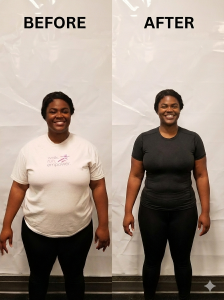
Jordan’s Story: How a Chef and Mom of Three Lost 50 Pounds Without Changing Jobs
Jordan, a chef with three kids, went from 205 to 155 lbs by packing real food for shifts, eating about 130 g of protein, walking daily and lifting.
Feeling Dizzy or Tired All the Time? Signs of Low Iron and What to Do
Can low iron make you dizzy and tired? Yes. Fatigue, dizziness, pale skin and shortness of breath are common signs. Get tested before you take iron pills.