The Five Love Languages: Book review
Tactical Emotional Intelligence: A Chapter-by-Chapter Breakdown of Gary Chapman’s Relationship Framework
What up world, Zavier here from xperformancelab.com. Let’s talk about what breaks most people before their goals ever do: relationships. Your macros are perfect. Your lifts are solid. But your communication? Trash. Defensive. Misaligned. Or nonexistent. Gary Chapman’s The Five Love Languages is often read like a “nice couples book.” Wrong. It’s an emotional operating system. Misunderstand it, and you sabotage your nervous system, your recovery, your leadership, and your long-term mission. This book isn’t about “love.” It’s about language, and how high-performers fail when they miscommunicate their value, needs, and discipline. Let’s break down Chapman’s relationship framework chapter by chapter, xperformancelab.
Chapter 1: What Happens to Love After the Wedding?
Chapman’s Message: The “in-love” feeling fades. Emotional love must become a learned discipline. Reframe: Infatuation isn’t love, it’s chemical confusion. Real love is structured communication. Client Application: People in postpartum recovery or long-term relationship transitions often confuse love’s presence with hormonal swings. That’s nervous system dysregulation, not neglect. Plenty of hard workers think working hard shows love, yet their partner hears neglect.
Crown Command: Don’t chase love, learn to lead it.
Self-Reflection When do you confuse emotional intensity for emotional intelligence? What if love was a practiced system, not a reaction?
Chapter 2: Keeping the Love Tank Full
Chapman’s Message: Everyone has an emotional “love tank” that must be filled consistently in their primary language. Reframe: Love is a resource. Like sleep, hydration, or protein, it must be tailored, timed, and tracked. Application: Often people don’t need more affection, they need presence in their language. Some hide emotionally and drain others by never filling others’ tanks or their own. Just like you track your macronutrient intake, you need to track emotional nutrition.
Crown Command: Fill the tank or crash the system.
Self-Reflection Whose tank are you trying to fill with the wrong fuel? When do you feel most emotionally undernourished, and why?
Chapter 3: Falling in Love
Chapman’s Message: The “in-love” experience is a temporary high, not sustainable long-term love. Reframe: Relationships without ritual crash after the chemical high wears off. Training Tie-In: People in the middle of a training transformation often feel misunderstood by partners who don’t adjust language to their new identity.
Crown Command: If your love can’t survive a plateau, it’s not built for peak performance.
Self-Reflection Are your relationships built on dopamine or discipline? What ritual do you need to create to anchor love after the “in-love” phase fades?
Chapter 4: Love Language #1: Words of Affirmation
Chapman’s Message: Some people feel loved primarily through affirming words, spoken or written. Reframe: Verbal cues = nervous system calibration. This is leadership communication, not coddling. Tactical Use: People in recomp phases thrive when coaches and partners affirm visible effort, not results. Some need external verbal cues to override internal negative scripts. This connects directly to cognitive enhancement strategies. Words literally rewire neural pathways.
Crown Command: Speak to the soul. Train the mind.
Self-Reflection Who around you needs clarity, not just volume, in your words? What impact would one consistent verbal ritual have on your leadership or love life?
Chapter 5: Love Language #2: Quality Time
Chapman’s Message: Undivided attention equals emotional presence. Reframe: Attention is currency. Where you give it reflects where you lead. Recovery Insight: People in cortisol-heavy states need intimate presence time to regulate, not just fix. Many crave real eye contact and intentional connection, not background companionship. Quality time is like recovery protocols, it’s not about duration, it’s about intensity and intention.
Crown Command: Don’t be near. Be here.
Self-Reflection Where are you physically present but energetically absent? What ritual could replace distraction with depth?
Chapter 6: Love Language #3: Receiving Gifts
Chapman’s Message: Tangible symbols of love matter for some. It’s not materialism, it’s mindfulness. Reframe: Symbolic gestures activate feminine trust loops. Leadership includes provision, not perfection. Client Context: Clients rebuilding their nutrition often attach meaning to small items: new workout clothes, quality supplements, training gear = proof of belief.
Crown Command: Give what matters. Not what’s easy.
Self-Reflection Where do you confuse material with meaningful? What gift (time, effort, symbolic) would recalibrate a fractured relationship?
Chapter 7: Love Language #4: Acts of Service
Chapman’s Message: For some, doing something helpful says more than anything spoken. Reframe: Action proves alignment. This is Deployment Language. Coaching Relevance: For some people, a partner prepping meals or handling logistics equals far more than compliments. Service is loyalty. Not weakness. This aligns with the Deployment Over Delusion doctrine, commitment without action is just conversation.
Crown Command: Show love in action. Not intention.
Self-Reflection Who are you saying “I love you” to without ever proving it? What act of service would shatter emotional distance right now?
Chapter 8: Love Language #5: Physical Touch
Chapman’s Message: Some feel most loved through physical closeness and connection. Reframe: Touch is nervous system medicine. It’s not sex, it’s structure. Program Layer: People healing from trauma may need structured intimacy: hand-holding, pressure touch, or hugs timed with nervous system states. Anti-Mom Bod clients in hormonal shifts benefit from rhythmic, non-sexual physical presence. Physical touch regulates cortisol better than most supplements. It’s biochemical, not emotional.
Crown Command: Touch to anchor. Not to escape.
Self-Reflection How do you interpret or misuse touch based on trauma or ego? Where could intentional touch replace emotional ambiguity?
Chapter 9: Discovering Your Primary Love Language
Chapman’s Message: Everyone has a dominant language. Discovering it improves emotional alignment. Reframe: If your partner speaks Mandarin and you speak Morse Code, good luck. Know your code. Know theirs. Coaching Insight: Apply the same specificity you bring to training to love languages.
Crown Command: Know your code. Translate theirs.
Self-Reflection Are you making others guess how to love you? What language do you crave, but never speak?
Chapter 10: Love is a Choice
Chapman’s Message: Love is not a feeling, it’s a conscious daily decision. Reframe: Love = Deployment. You don’t “fall” in love. You operate in it. Relationship Ownership: People struggling with insecurity can’t outsource love. It’s self-chosen, then outwardly expressed. This mirrors training consistency, you don’t train when you feel like it. You train because you committed.
Crown Command: Choose. Then execute. Daily.
Self-Reflection What would shift if you stopped waiting to “feel” love and started deploying it? Where are you choosing passivity and calling it patience?
Final Breakdown: The Five Love Languages isn’t about romance. It’s about deliberate communication. It’s about decoding the nervous system of the people around you, so you can lead, love, and last. If your recovery is off… If your partnerships are strained… If your clients don’t comply… It’s not about effort. It’s about language. Fix your language, and you fix everything downstream.
About Gary Chapman Dr. Gary Chapman is a renowned relationship counselor, pastor, and author who has helped millions of people improve their relationships. His Five Love Languages series has sold over 20 million copies worldwide. Chapman holds degrees from Wheaton College and Wake Forest University, and he’s been counseling couples for over 40 years.
Connect with Gary Chapman: Website: 5lovelanguages.com Books: Available on Amazon Social Media: Follow @DrGaryChapman on major platforms
Crown Command Stack: Learn the code. Speak fluently. Anchor with action. Deploy love with intent. Don’t just “care.” Communicate.
Resource Drop (Socials): Follow my uncensored insights and daily directives: Instagram: https://www.instagram.com/xperformancelab YouTube: http://www.youtube.com/@xperformancelab Final Overall
Self-Reflection Questions: What relationship in your life would transform if you mastered their love language this week? How are you sabotaging your emotional recovery through miscommunication? What language do you speak versus what language you need to hear? Where are you waiting for others to decode you instead of leading with clarity? What would change if you treated love like a training protocol, consistent, intentional, and measurable? Love is a system. Speak it right, or sabotage it silently.
Scroll to unlock levels
Level V Achieved
Now live it.
Unlocked

Zavier King
Founder, XPERFORMANCELAB
I do not shape muscle. I shape structure. The person you become is the person you construct.
Related Insights
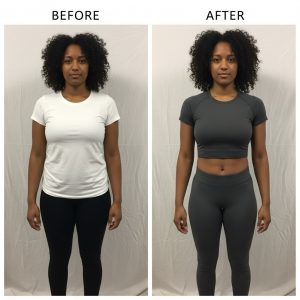
Morgan’s Story: How a Teacher and Mom Went From 198 to 175 Pounds
Morgan, a teacher and choir director with two kids, went from 198 to 175 lbs by lifting, eating more than she expected and adapting instead of quitting.
Why Should You Track Your Habits? What to Track and How
Tracking shows you patterns you would miss and makes you more likely to reach goals. Start with 2 or 3 measures, review weekly and change one thing.
How to Rewire Your Nervous System for Better Training and Focus
Can you rewire your nervous system? Yes. Your brain adapts to what you repeat. Practice, sleep, exercise and slow breathing shape how you learn.