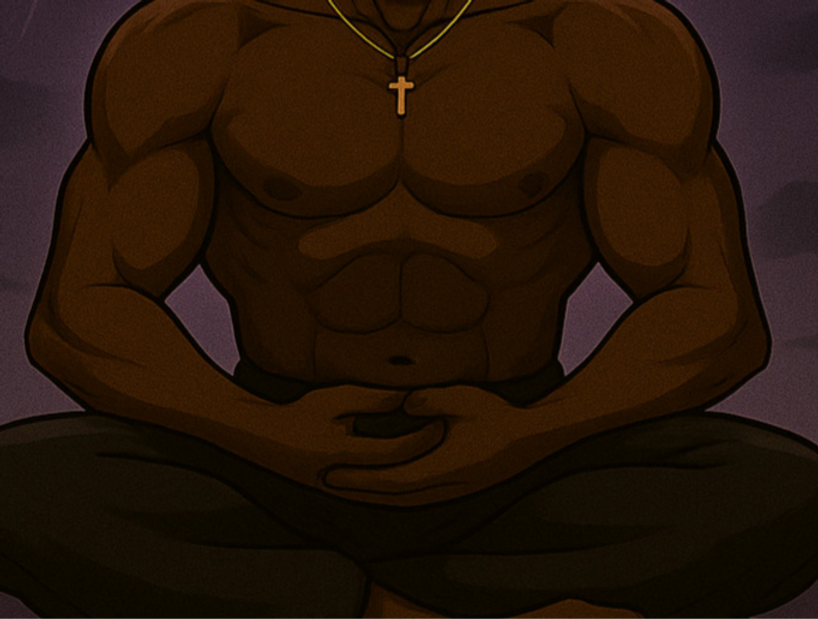
How Do I Build Mental Resilience? 8 Habits From the Gym
You build mental resilience the way you build strength: regular, manageable stress followed by recovery. Train consistently, sleep, notice and name your emotions, keep real relationships, and take responsibility for your next step. Exercise itself helps mood. Resilience does not mean ignoring pain, and getting professional help is part of being strong.
This article is general education, not medical advice. If you are struggling, talk to a doctor or a licensed therapist. In a crisis, call or text 988.
Why do I compare resilience to strength training?
Because the pattern is the same. You do not get stronger by avoiding weight, and you do not get stronger by lifting so much you get hurt. You pick a load you can handle, recover, and add a little. Hard things in life work similarly when you have support and rest between them.
Habit 1: Why does regular exercise help your mind?
Exercise is one of the better-studied tools for mood. A large 2024 review of trials found exercise reduced depression symptoms, with walking, jogging, yoga and strength training all helping (Noetel et al., 2024). It is not a replacement for treatment, but it is a strong support. More in why your brain loves exercise.
Habit 2: Why should I protect my sleep?
Short sleep makes stress harder to handle and recovery slower. Aim for at least seven hours a night (Watson et al., 2015).
Habit 3: How do I handle emotions without being run by them?
Treat emotions as information. Feel them, name them, then decide what to do. A two-minute note at night helps: what happened, how I felt, what I did, what I would change.
Habit 4: Why does self-compassion matter?
Being hard on yourself after a slip feels tough, but it often leads to quitting. Self-compassion is linked with better health habits and better mood (Sirois et al., 2015). Hold high standards and treat yourself like you would treat a client.
Habit 5: How do I think more clearly about what I read?
Before you accept a claim about health or fitness, ask: who is saying this, what is the evidence, and who benefits if I believe it? That one habit protects your money and your health.
Habit 6: Why do real relationships matter?
Support from people who know you is one of the best buffers against hard times. Likes and comments are not the same thing. Make time for a few people who would show up for you, and show up for them.
Habit 7: How do I lead myself day to day?
Keep small promises to yourself: train when you said you would, eat the meal you planned, go to bed on time. Each kept promise builds self-trust, and self-trust makes the next hard thing easier.
Habit 8: What do I do when life knocks me down?
Pain is real, and it is fair to need time. When you are ready, pick one small action you control today: a walk, a meal, a phone call. If you have felt low for more than two weeks, or you have lost interest in things you used to enjoy, see a doctor or therapist. That is not weakness. It is the smart move.
What should you read next?
Read how to stop stressing yourself out over stress and self-sabotage and how to stop it. To work with me, start with the XPL quiz, which is my intake form for every client, then see coaching options and pricing.
Written by Zavier King, personal trainer in Houston and online coach at XPL. ISSA Certified Personal Trainer and NASM Nutrition Coach.
Scroll to unlock levels
Level V Achieved
Now live it.
Unlocked
Frequently asked questions
Can lifting weights help anxiety or depression?
It can help. Research supports strength training and other exercise for depression symptoms. It works best alongside professional care when symptoms are serious.
Is resilience something you are born with?
Partly, but it can be trained with habits, support and experience, like most skills.
Should I train through a mental health crisis?
Get help first. Call or text 988 in a crisis. Gentle movement can help later, with your care team's support.

Zavier King
Founder, XPERFORMANCELAB
I do not shape muscle. I shape structure. The person you become is the person you construct.
Related Insights
Why you should mindfully track everything
https://www.youtube.com/watch?v=ksu4uNXXP_0 below is just a transcript from the video above, just watch the video why you should...
Supplements for Energy, Focus and Sleep: What Works and What to Skip
Which supplements help energy, focus and sleep? Creatine, caffeine with L-theanine, magnesium and vitamin D have the best case. Iron and zinc only if low.
Can You Gain Muscle Without Gaining Fat? How Body Recomposition Works
Can you gain muscle without gaining fat? Yes. Eat near maintenance, get 1.6 to 2.2 g/kg protein and lift with progressive overload. Here is the plan.